Calathea Leaves Curling: Dry Soil, Humidity, or Pests?
A calathea-specific guide to curling leaves, including soil moisture, humidity, water quality, light, pests, and recovery signs.
Continue this diagnosis
Choose the next useful check
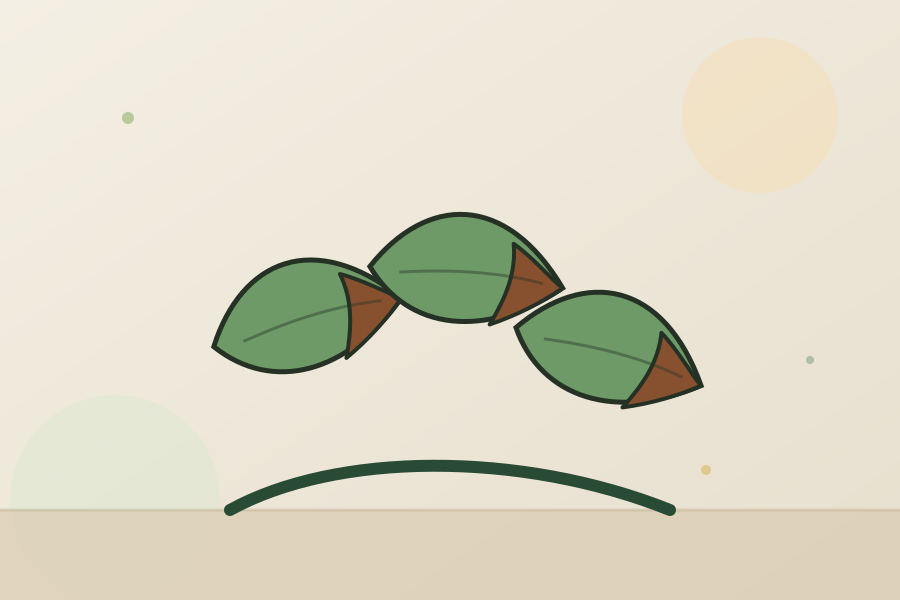
Calatheas curl when they are trying to protect leaf moisture or when new growth is being stressed. The cause can be simple dry soil, but it can also be heat, low humidity, direct sun, mineral buildup, or pests.
Do not diagnose calathea curling from one afternoon. Many prayer plants move their leaves daily. Look for curling that stays, worsens, or comes with browning and speckling.
The timing matters. Leaves that fold more at night and relax by morning may be normal movement. Leaves that stay tight all day, feel thin, or develop crispy edges are telling you the plant is losing moisture faster than it can replace it.
Most likely causes
Dry soil
Calatheas prefer more consistent moisture than pothos or snake plants. If the pot is light and the mix is dry below the surface, curling is likely a thirst response. Water thoroughly and let the pot drain.
Do not leave the plant standing in water afterward. Consistent moisture still needs oxygen.
Low humidity or vent exposure
Dry air can curl leaves and brown edges, especially during heating season. A plant near a vent, radiator, or drafty window may decline even if watering is reasonable.
Move it away from forced air and group humidity-loving plants together.
Direct sun or heat
Calatheas prefer filtered light. Direct sun can cause curling, faded patches, and crisp damage. If the curling is worse on the window-facing side, light and heat are likely part of it.
Pests
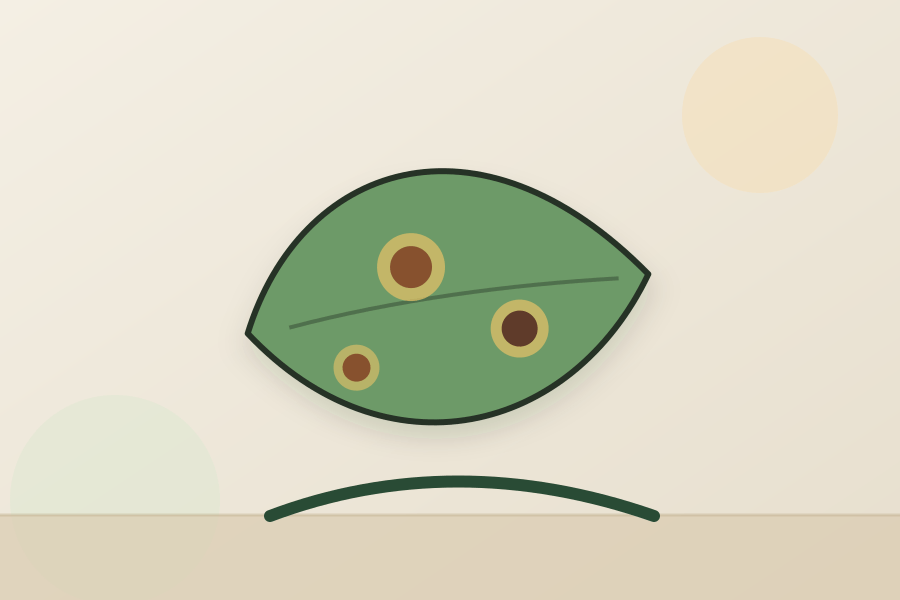
Spider mites love stressed calatheas. Fine webbing, dusty stippling, moving specks, or dull leaves should make you inspect the undersides with a flashlight. Isolate the plant if you suspect pests.
Mineral-sensitive water
Some calatheas brown and curl when salts build up. White crust on the soil or pot is a clue. If drainage is good, occasional flushing can help. If the pot has no drainage, fix the pot first.
How to confirm before changing care
Check the soil at depth before blaming humidity. If the upper inch is dry and the pot feels light, water thoroughly and drain. If the soil is wet but leaves are curled, look for heat, cold, root stress, or pests instead of adding more water.
Use a flashlight on leaf undersides. Spider mites can look like dust until you see fine webbing or moving specks. A calathea with mites may curl even when watering and humidity seem correct.
What not to do
- Do not place a curled calathea in direct sun.
- Do not mist as the only solution if pests are present.
- Do not let the pot dry hard repeatedly.
- Do not keep it in a sealed pot that stays soggy.
Next action
Check soil moisture, then inspect for mites. If dry, water and drain. If pests are visible, isolate and treat the pest. If humidity or heat is the issue, move the plant to a stable filtered-light spot. Judge progress by new leaves opening flatter and browning slowing down.
Keep the recovery path steady. Calatheas often worsen when they are moved from spot to spot, misted heavily, fertilized, and repotted in the same week. Make the lowest-risk correction first and watch the next leaves.