Plant-Specific Guides3 min read
ZZ Plant Yellow Leaves: The Wet Soil Warning
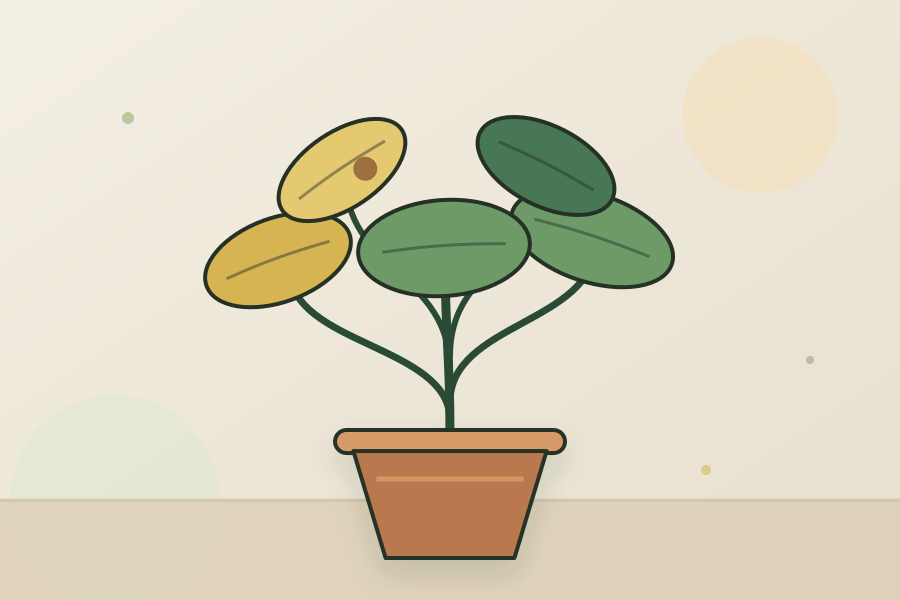
ZZ plant yellow leaves usually mean the plant is staying wet too long, especially in low light or a pot without drainage.
Read the guidePlant + symptom guide
Drooping can mean dry soil, wet roots, heat, cold, or repotting shock. The same wilt has different meaning on different plants.
For zz plant, adjust the diagnosis around this plant profile: ZZ plants store water in rhizomes. Yellowing stems or soft bases usually point toward overwatering, low light combined with wet soil, or cold stress.
Lift the pot and check soil moisture below the surface.
Ask whether drooping started after watering, repotting, or a move.
Check whether stems are firm or soft near the soil line.
Check whether the rhizome or stem base is soft.
Ask whether the plant is in low light but watered on a weekly schedule.
Water only if the root zone is appropriately dry for this plant.
Keep recently moved or repotted plants steady in bright indirect light.
Move away from vents, cold glass, and hot windows.
Compare nearby signals
Recommended reading
ZZ plant yellow leaves usually mean the plant is staying wet too long, especially in low light or a pot without drainage.
Read the guide
An overwatered plant often looks thirsty. Wet soil, yellow lower leaves, drooping, fungus gnats, and soft stems are stronger clues than one symptom alone.
Read the guide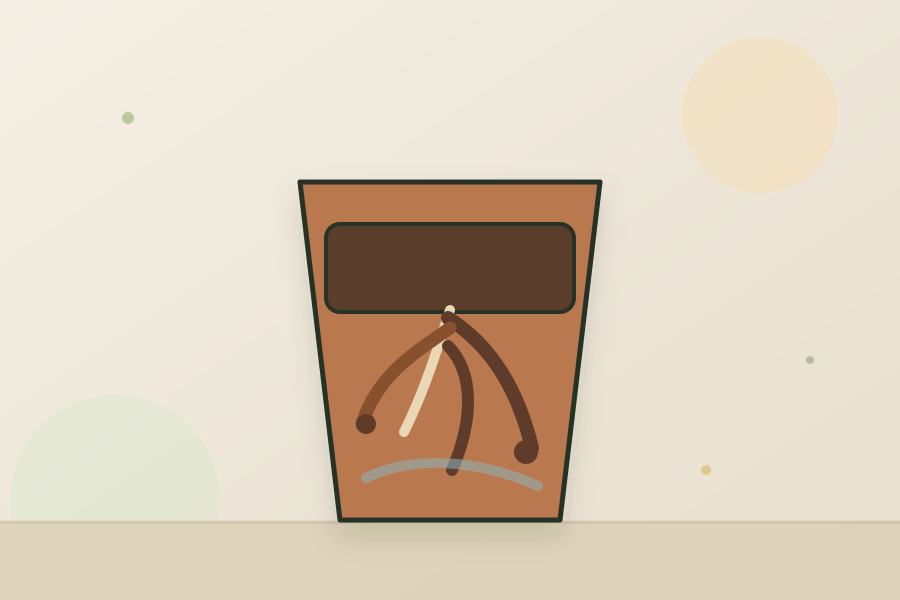
Root rot is most likely when yellowing, drooping, wet soil, sour smell, and mushy roots show up together.
Read the guide
Peace lilies droop from both dry soil and wet soil. The fix depends on pot weight, soil moisture, light, and whether the plant recently moved or was repotted.
Read the guideDrooping after repotting can be normal shock, root disturbance, oversized pot stress, dense soil, or watering mismatch.
Read the guideYellow leaves can come from overwatering, underwatering, low light, pests, or normal aging. The pattern matters more than the color alone.
Read the guide