Snake Plant Leaves Turning Yellow
A snake plant guide to yellow leaves, soft leaves, overwatering, cold stress, root rot risk, and what to check before watering again.
Continue this diagnosis
Choose the next useful check
Snake plants store water in thick leaves and roots, so yellowing means something different here than it does on a peace lily or pothos. A snake plant can tolerate dry soil for a long time, but it can decline quickly when wet soil, cold, and poor drainage overlap.
First check: firm or soft?
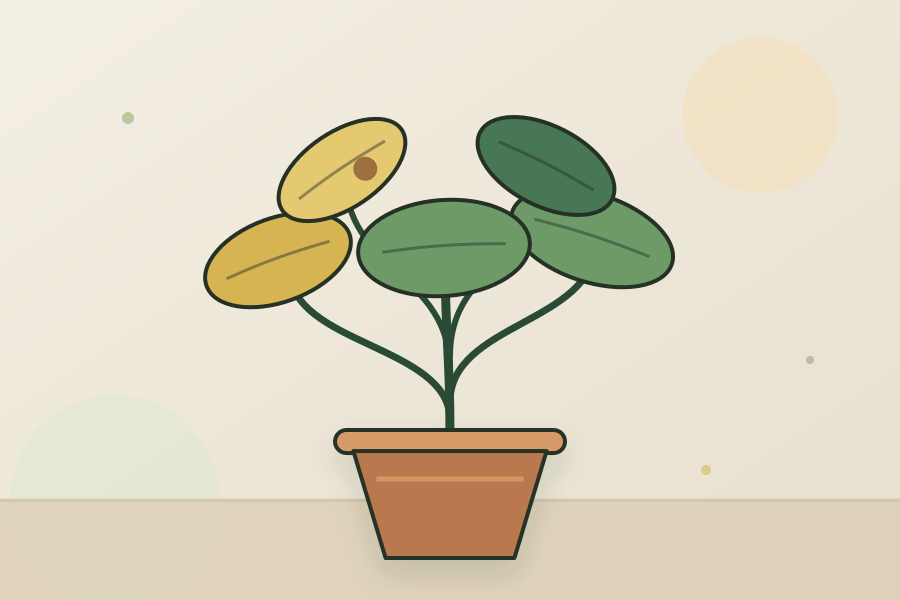
Touch the yellow leaf. If it is firm and the rest of the plant looks stable, the damage may be old stress, age, or a light issue. If the leaf is soft, translucent, mushy, or loose at the base, treat it as a wet-root warning.
Soft yellow snake plant leaves are more urgent than dry brown tips.
Check the lowest part of the leaf, not only the colored area. A yellow upper patch can be old light or cold damage. A yellow leaf that is soft where it meets the soil is a root and rhizome warning.
Most likely causes
Overwatering
Snake plants do not want evenly moist soil. They need a deep dry-down before watering. Weekly watering is often too much indoors, especially in low light or winter.
If the soil is damp and leaves are yellowing, stop watering. Check drainage and whether the pot is much larger than the root mass.
Root rot
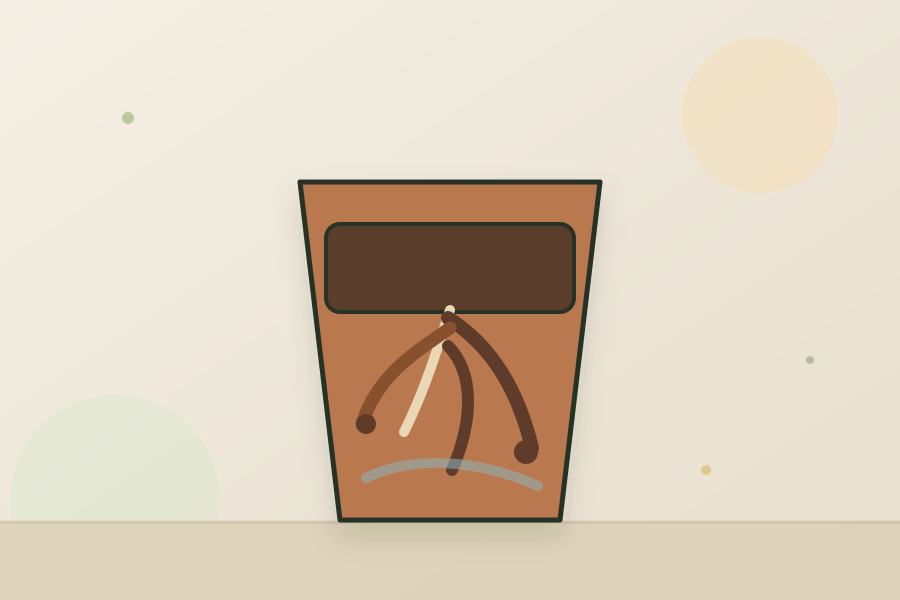
Root rot is likely when yellowing comes with mushy leaf bases, sour soil, or a plant that collapses from the crown. Remove the plant from the pot only if symptoms justify it. Rotten roots are soft, hollow, dark, or foul-smelling.
Trim rotten tissue and repot only firm healthy sections into a dry, fast-draining mix.
Cold stress
Wet soil plus a cold window is a bad combination for snake plants. Yellow patches or soft tissue can follow cold exposure, especially overnight. Move the plant away from cold glass and drafts.
Low light
Snake plants tolerate lower light, but they use water very slowly there. If the plant is in a dim room, watering must be less frequent.
How to confirm the pattern
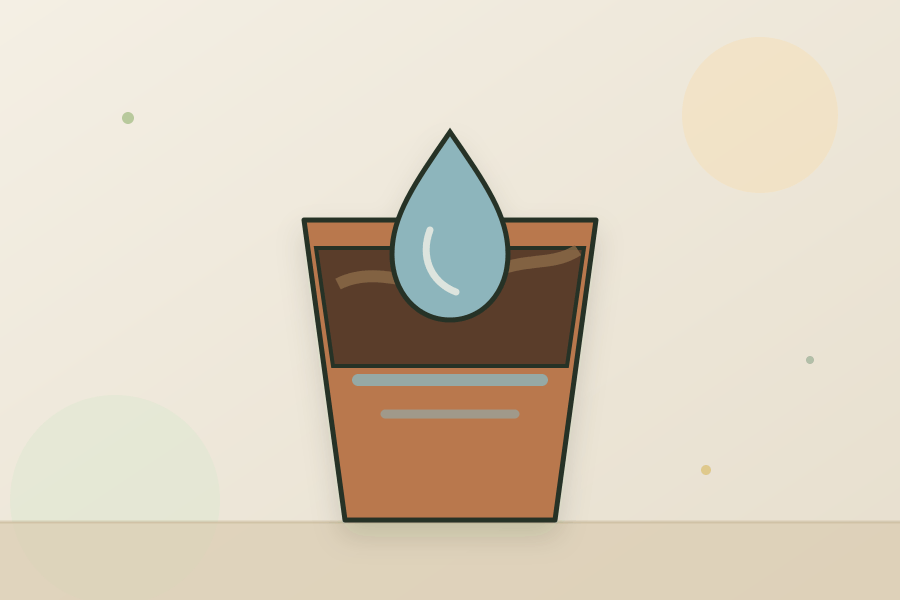
Use a skewer or lift the nursery pot from the decorative pot. If the mix is still damp near the bottom, the plant is not ready for more water. Also check whether the inner pot is sitting in water after watering; this is one of the easiest snake plant problems to miss.
If the plant is dry, firm, and only one older leaf is yellowing, do not panic-repot. Remove the damaged leaf only after you are sure the yellowing is not spreading through the base.
What not to do
- Do not water a yellowing snake plant until you check soil depth.
- Do not repot into a larger moisture-holding pot.
- Do not mist snake plant leaves.
- Do not keep damaged soft sections touching healthy plants.
Next action
If the soil is wet, let it dry and improve light and warmth. If leaf bases are mushy, remove the plant, cut away rotten sections, and save only firm tissue. If the soil is dry and the yellowing is old and stable, adjust placement and wait. Snake plants recover slowly; stable firm growth is the goal.
After a wet-soil scare, change the schedule rather than just skipping one watering. In a dim room, a snake plant may need water far less often than a tropical foliage plant beside it.