Snake Plant Root Rot: Signs and Rescue Steps
How to identify and handle snake plant root rot, including soft leaves, wet soil, trimming, repotting, and when to propagate firm sections.
Continue this diagnosis
Choose the next useful check
Snake plant root rot is common because the plant looks tough enough to survive anything. It is tough when dry. It is not tough when roots sit in dense wet soil, especially in low light or cold rooms.
The clue is texture. A snake plant with root rot often feels soft before it looks obviously dead.
Signs of snake plant root rot
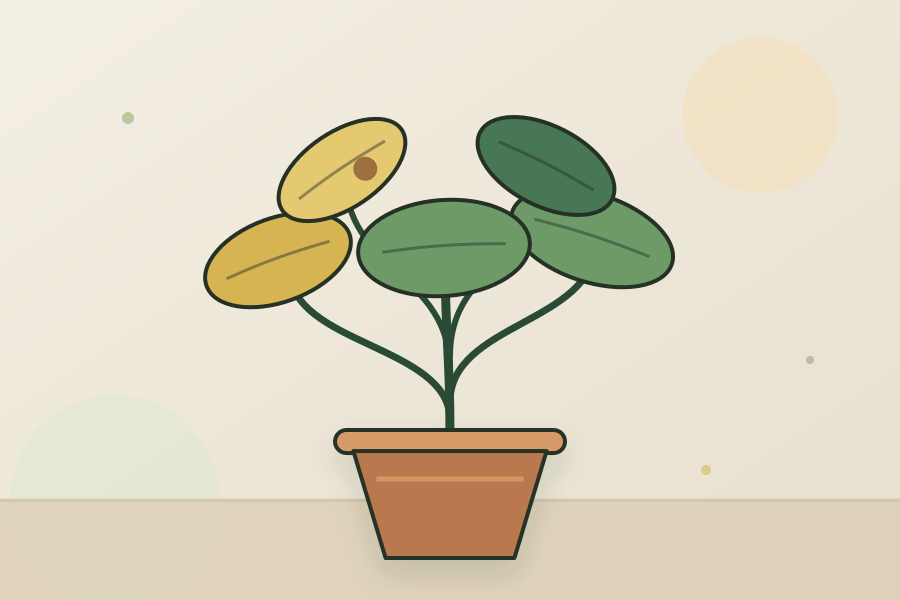
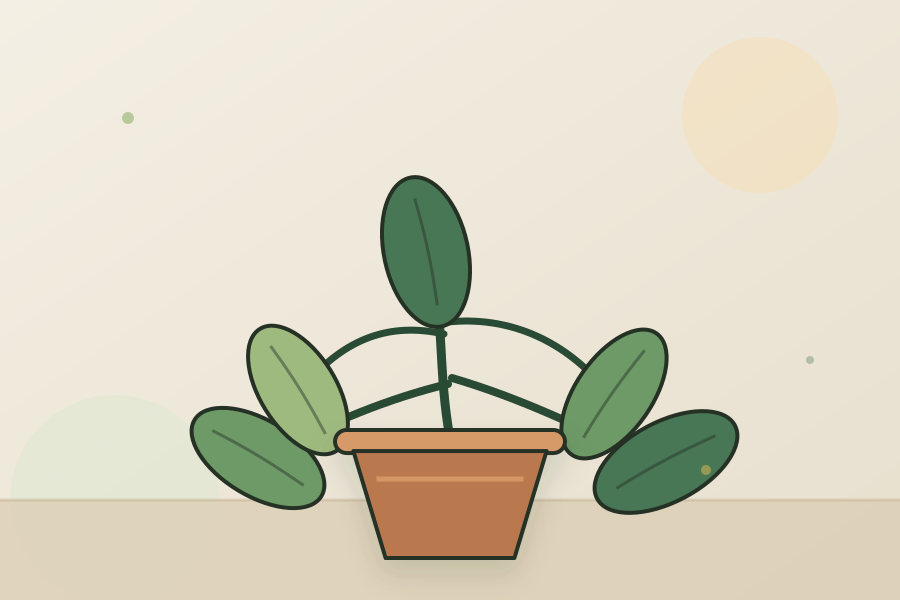
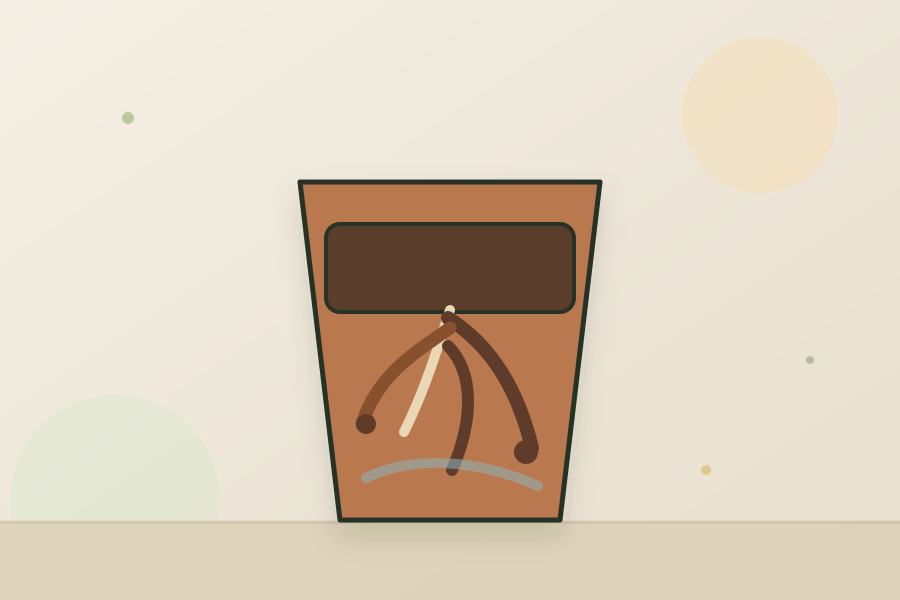
Look for yellowing leaves that feel soft or translucent, leaf bases that collapse, sections that pull away from the soil, sour-smelling mix, and roots that are mushy or hollow. A single dry brown edge is not root rot. Soft wet tissue is the bigger warning.
If the pot has no drainage or sits inside trapped water, root rot becomes much more likely.
The most reliable clue is the base of the leaf. Snake plant leaves can have dry scars or old yellow patches and still be firm. Rot feels different: the base may bend, wrinkle wetly, or separate from the rhizome with little resistance.
Why it happens
Snake plants store water and prefer to dry deeply. Problems often come from:
- Watering on a weekly schedule.
- Dense indoor potting mix.
- A pot without drainage.
- Low light that slows water use.
- Cold window exposure while soil is wet.
- A pot much larger than the root mass.
Rescue steps
- Stop watering.
- Remove the plant from the pot if leaves are soft or the soil smells sour.
- Brush away wet mix.
- Cut off mushy roots and soft leaf bases with clean tools.
- Keep only firm sections.
- Let cut sections callus briefly if you are propagating.
- Repot firm rooted pieces into a gritty, fast-draining mix.
- Wait before watering again; the plant has reduced roots and needs air.
Use the rescue steps only when the evidence supports them. Pulling apart a firm snake plant just because one old leaf looks imperfect adds stress. But if several bases are soft, the soil smells sour, or the plant is collapsing, waiting usually makes the salvageable firm tissue smaller.
When to propagate instead
If most roots are gone but some leaves remain firm, propagation may be the better rescue. Firm leaf sections can sometimes root, though variegated varieties may not keep the same variegation from leaf cuttings. Firm divisions with healthy rhizome tissue are stronger than soft sections.
Discard anything mushy or foul-smelling.
Aftercare after rot
Keep the plant warm and in bright indirect light. Do not water immediately into a freshly disturbed, reduced root system unless the new mix is bone dry and the plant has had time to settle. A rescued snake plant may look unchanged for a long time; that is better than continuing to soften.
What not to do
Do not water after repotting just because the plant was stressed. Do not keep rotten tissue in the pot. Do not move the plant into a cold bright window while it is recovering. Give it warmth, bright indirect light, and dry-down.
Recovery is slow. A rescued snake plant may sit still for weeks before new growth appears.