Spider Plant Brown Tips
A spider plant guide to brown tips, including tap water minerals, dry air, watering swings, root crowding, trimming, and prevention.
Continue this diagnosis
Choose the next useful check
Spider plant brown tips are common, and they do not automatically mean the plant is dying. The tips are often the visible record of repeated small stress: minerals, dry air, uneven watering, fertilizer salts, or an old crowded root system.
The brown tip will not turn green again. The goal is cleaner new growth.
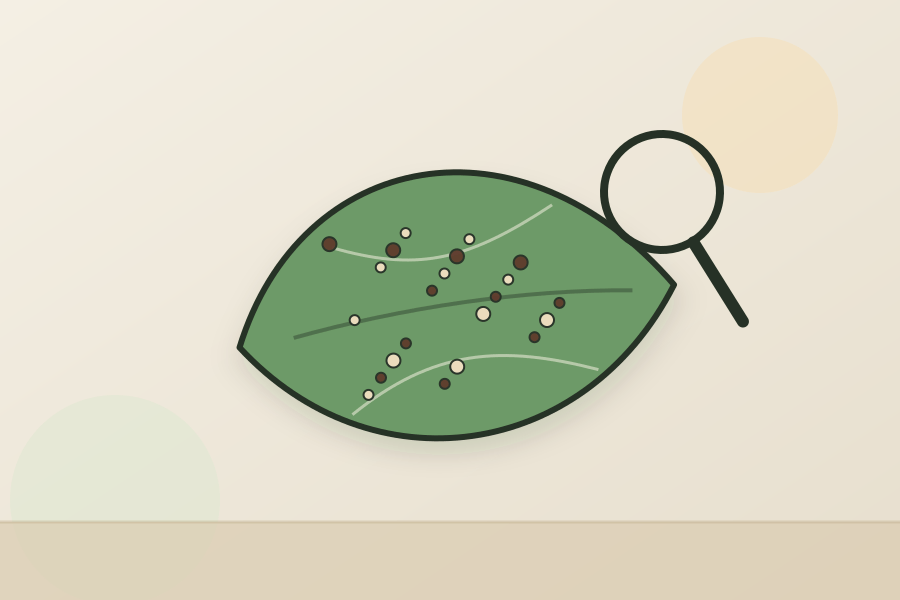
Before changing everything, compare old leaves with the newest center growth. If older arching leaves have brown points but new leaves are clean, you may be looking at old stress. If every new leaf quickly develops a brown tip, the current care pattern is still irritating the plant.
Most likely causes
Mineral buildup
Spider plants can be sensitive to salts and minerals. White crust on the soil, pot rim, or saucer is a clue. Small frequent waterings can make buildup worse because minerals stay behind as water evaporates.
If the pot drains, water thoroughly enough that some water exits the bottom, then empty the saucer. If the pot has no drainage, fix the container before trying to flush anything.
Dry air or heat
Heating season, vents, and hot windows can dry leaf tips. If browning gets worse in winter or on the side near forced air, move the plant to a steadier spot.
Watering swings
Spider plants like to dry somewhat, but repeated hard drought followed by heavy watering can stress tips. Use pot weight and soil feel instead of waiting for dramatic wilt.
Root crowding
Spider plants can handle being somewhat snug, but a very root-packed pot may dry unevenly and show more tip burn. If water rushes through and the plant needs watering constantly, repotting one size up may help.
How to confirm the source
Look for mineral clues first: white crust on soil, a chalky pot rim, or dry saucer residue. Then ask whether the plant sits near forced air, a hot window, or a cold draft. Brown tips from air stress often show more on the exposed side.
If the spider plant wilts hard between waterings, pull the root ball only if the pattern keeps repeating. Thick white roots packed around the pot are normal for spider plants, but a root mass that repels water or dries within a day may need a slightly larger pot.
What not to do
- Do not cut into green tissue when trimming tips.
- Do not flush a pot that has no drainage.
- Do not assume brown tips are only a water-quality issue.
- Do not fertilize heavily to force new growth.
How to trim
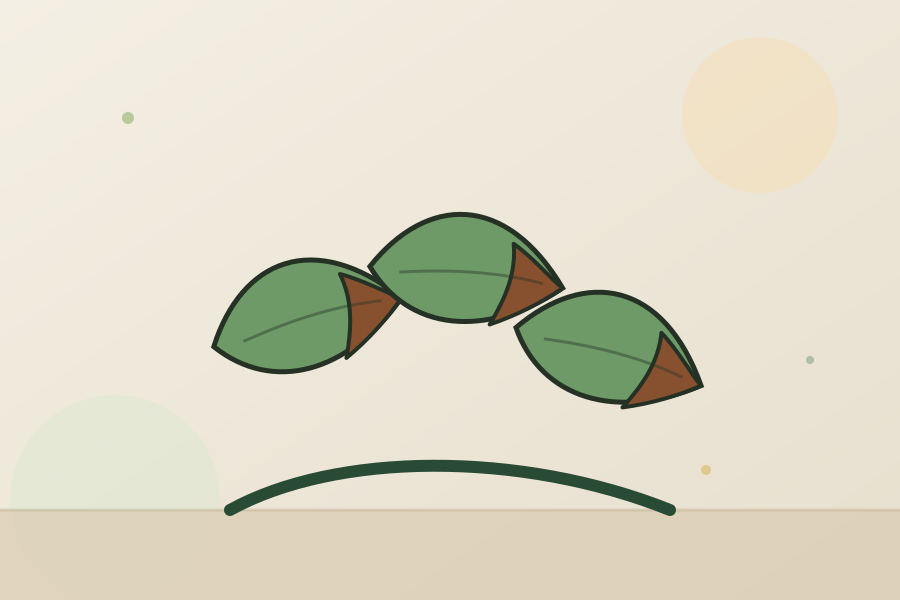
Use clean scissors and follow the natural leaf shape. Leave a thin brown margin instead of cutting into green tissue. This is cosmetic; it does not solve the cause.
Next action
Check drainage, watering pattern, mineral crust, and vent exposure. If the plant is otherwise growing well, brown tips are usually a low-risk problem. Adjust the pattern and judge the next several leaves.
For prevention, water thoroughly when the upper mix dries, let excess drain, and avoid repeated tiny sips. If your tap water leaves heavy crust, occasional rainwater, filtered water, or a full flush through a draining pot can reduce buildup.