Root Rot7 min read
Root Rot Signs and What to Do
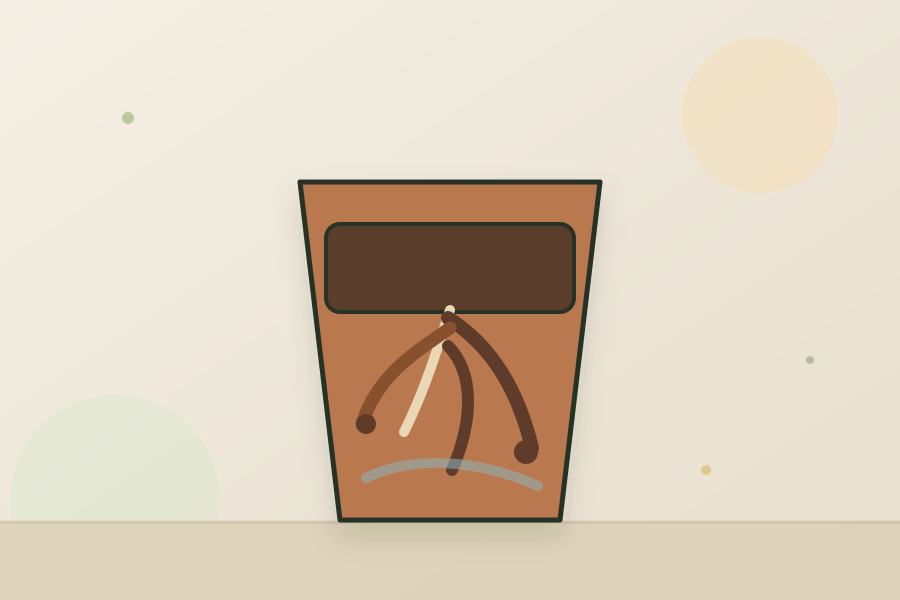
Root rot is most likely when yellowing, drooping, wet soil, sour smell, and mushy roots show up together.
Read the guidePlant + symptom guide
Brown tips usually reflect repeated stress rather than one emergency. The key is separating dry air and salts from underwatering, wet roots, and pest damage.
For snake plant, adjust the diagnosis around this plant profile: Snake plants store water and decline quickly in wet, cold, or no-drainage setups. Soft yellow leaves are more concerning than a single dry tip.
Look for white crust on the soil or pot rim.
Check whether tips worsen near vents, heaters, or hot glass.
Inspect whether new leaves are forming cleanly while old tips remain brown.
Feel for soft, translucent, or collapsing leaf bases.
Check whether the plant is in a sealed pot or dense moisture-retentive mix.
Trim only dead brown tissue without cutting into healthy green tissue.
Water thoroughly in a draining pot instead of giving frequent small sips.
Move sensitive plants away from vents and harsh heat.
Compare nearby signals
Recommended reading
Root rot is most likely when yellowing, drooping, wet soil, sour smell, and mushy roots show up together.
Read the guide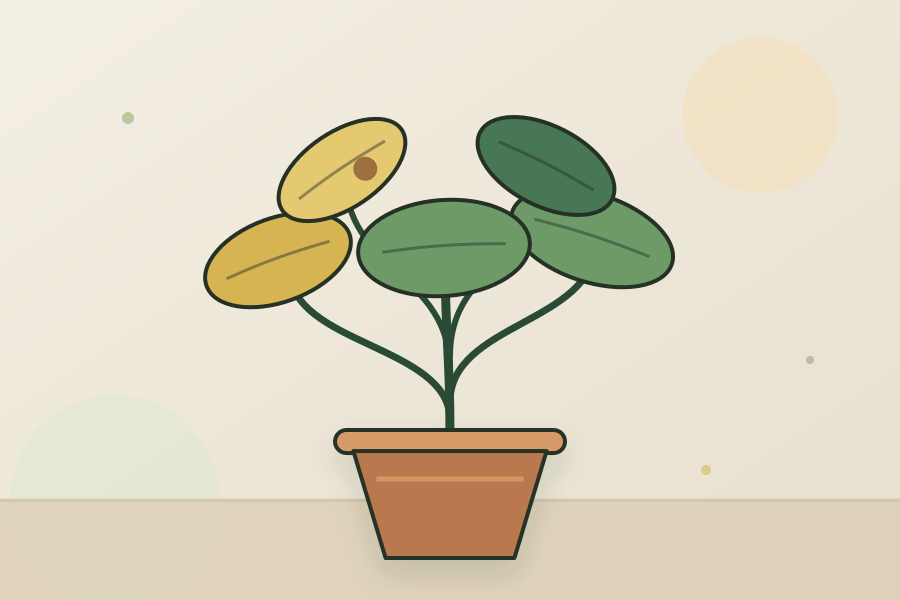
Yellow snake plant leaves are often a wet-soil warning, especially when leaves feel soft, translucent, or loose at the base.
Read the guideSnake plant root rot shows up as soft leaf bases, yellowing, sour soil, collapsing sections, and mushy roots.
Read the guide
Before you throw the plant away, separate water stress, root rot, pests, light problems, temperature stress, and normal leaf loss.
Read the guide
A watering schedule is less reliable than soil depth, pot weight, light, plant type, pot size, and season.
Read the guide
Brown tips usually point to repeated stress: dry air, inconsistent watering, mineral buildup, root stress, or light changes.
Read the guide